A practical guide to the dishes, ingredients, and traditions that have shaped one of Europe's most distinctive food cultures over centuries.
From hearty stews to delicate pastries, each guide covers the history, technique, and regional variations you need to know.
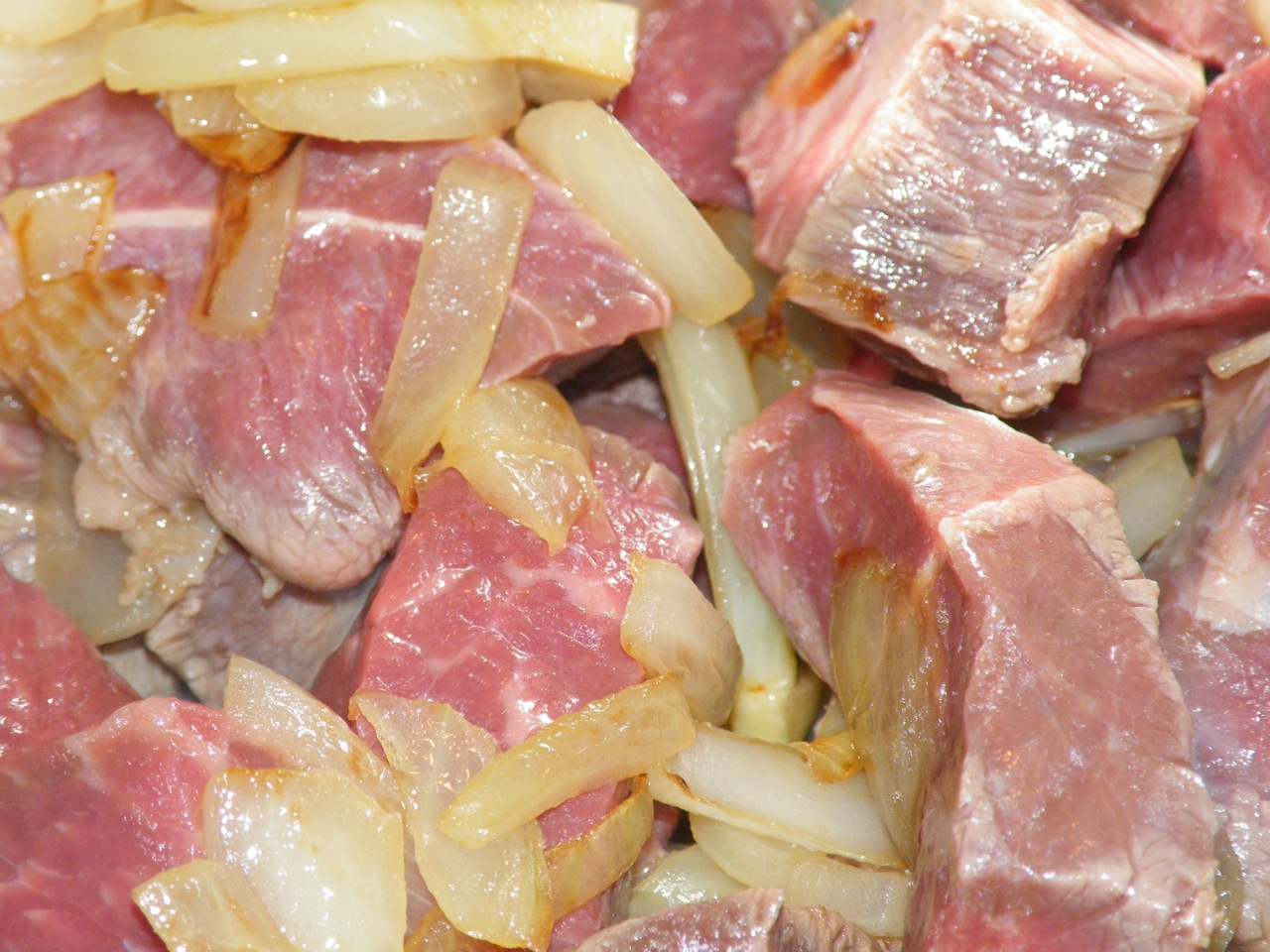
How a simple cattle herder's stew became Hungary's most recognised dish, and how to make it properly at home.
Read the guide →
The paprika-sour cream combination that defines this classic Hungarian comfort food, explained from start to finish.
Read the recipe →
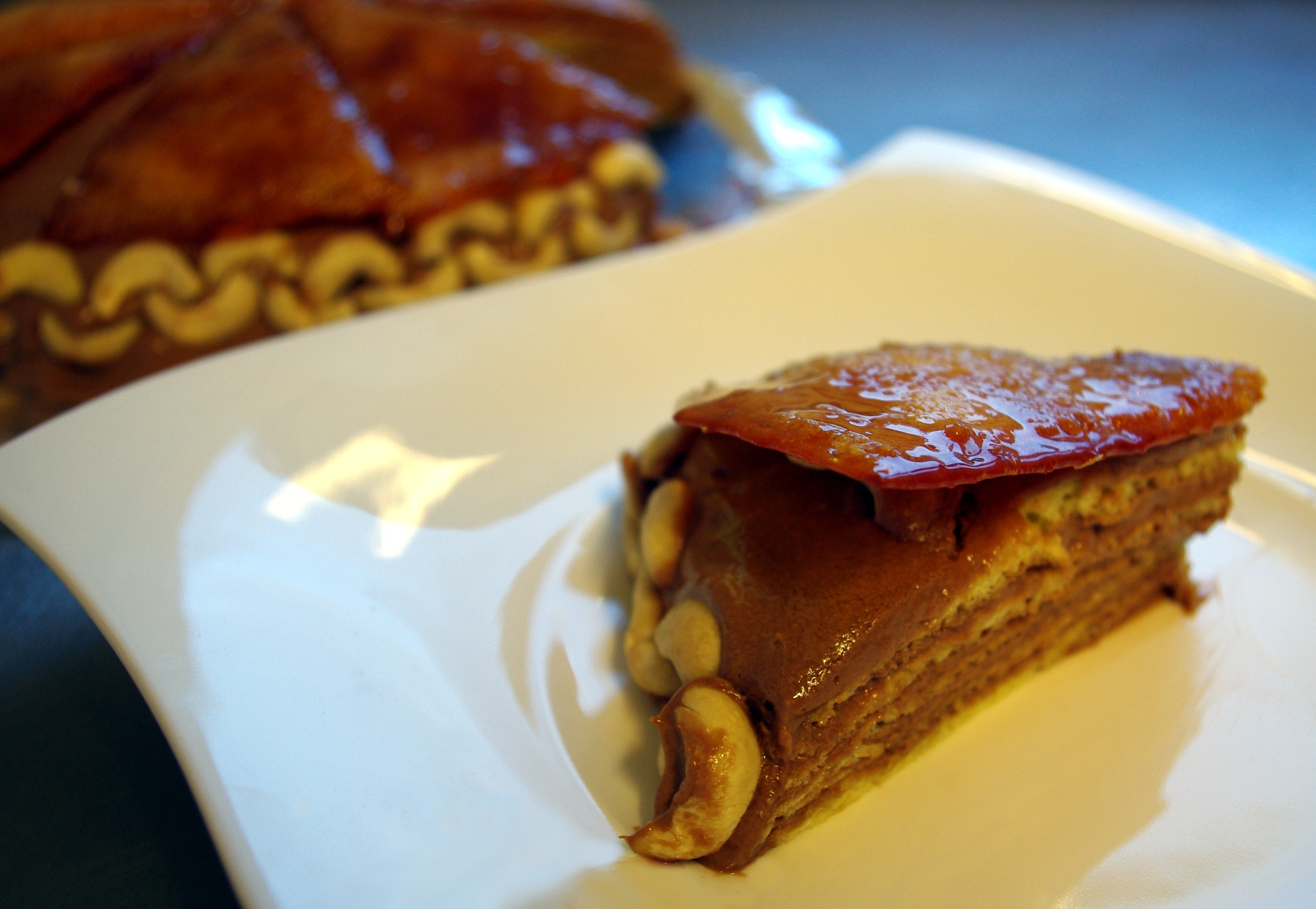
Dobos torte, chimney cake, and strudel: the stories and techniques behind Hungary's most celebrated desserts.
Read the guide →Years of Tradition
Wine Regions
Paprika Varieties
Culinary Regions
Hungarian paprika is not a single spice but a spectrum. From the gentle sweetness of kulonleges to the sharp heat of eros, the variety grown in the Szeged and Kalocsa regions has shaped every major dish in the national repertoire.
The pepper arrived in Hungary during the Ottoman occupation in the 16th century and was initially considered a peasant crop. It took another two centuries before it reached aristocratic tables. Today, Hungarian paprika holds protected geographical status in the European Union.
Learn More About PaprikaThe Nagy Vasarcsarnok on Vamhaz korut is the largest and oldest indoor market in Budapest. Built in 1897, its ground floor is a working food market where locals buy paprika, sausages, fresh produce, and pickled vegetables.
The upper level has food stalls serving langos, goulash, and other Hungarian dishes. For anyone interested in Hungarian food culture, this is the most practical starting point in the capital. It reveals the ingredients and flavours that define the cuisine in a way that no restaurant menu can.
About This Project
Several characteristics set this food culture apart from its Central European neighbours.
Tejfol appears in soups, sauces, pastries, and side dishes throughout Hungarian cooking. It tempers the heat of paprika and adds a richness that distinguishes Hungarian stews from similar dishes in neighbouring countries. Paprikash without sour cream is not paprikash at all.
Many traditional Hungarian dishes require long, slow cooking times. Goulash benefits from two to three hours of gentle simmering. Stuffed cabbage is even better the next day. This is not a cuisine designed for speed but for depth of flavour developed through time and attention.
Hungarian food varies considerably by region. The Great Plain produces heavier, meat-based dishes. Transdanubia shows more Austrian influence. The areas near Lake Balaton feature freshwater fish preparations. Understanding these differences is key to understanding the cuisine as a whole.